A practical evaluation framework for product clarity, compliance readiness, manufacturing reliability, and long-term partner support for European distributors.
Residential ESS Is Not Just a Battery Purchase
Here is the uncomfortable truth: most distributor problems with residential ESS suppliers don't start at the product level. They start at the selection stage.
The European residential storage market is genuinely attractive right now. Installers are looking for reliable products. Homeowners want energy independence. Solar channel partners are actively expanding into storage. The opportunity is real.
But residential ESS is not a commodity purchase. The supplier you choose will affect how your team explains the product, how installers complete the job, how compliant your documentation is, and how much after-sales pressure lands back on your desk. Choose poorly, and you carry those consequences for years.
This article offers a practical framework — eight things worth checking before you commit to a supplier. It won't tell you who to choose. It will help you ask better questions.
As a manufacturer of LFP batteries and integrated ESS solutions, GeePower shows what these criteria can look like in practice.
1. Product Line Clarity: Can Your Team Explain the System Easily?
Before anything else, ask: can a non-engineer on your sales team explain this product to an installer in five minutes?
If the answer is no, you have a problem.
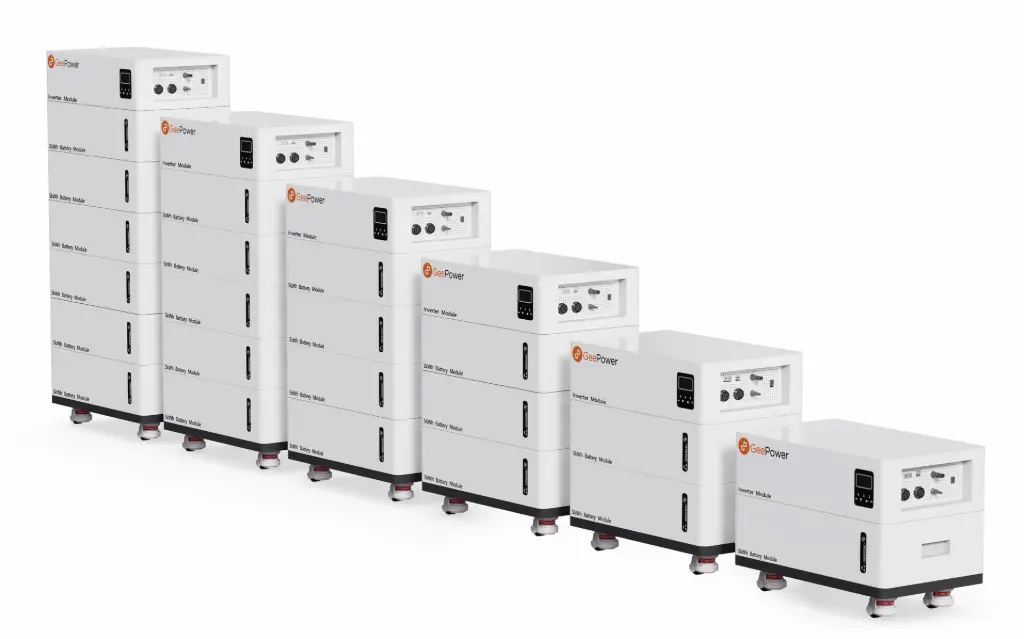
A well-structured residential ESS offer includes clear capacity options, a logical expansion path, and defined use cases. Not just a spec sheet.
Check for:
- A defined residential product family, not a catalogue of isolated SKUs
- Capacity steps that make sense for real households
- Clear installation formats (wall-mount, floor-standing, stackable)
- Stated compatibility with solar and grid configurations
GeePower's residential range includes the Terra and Luna families. The TERRA A series covers 5–30 kWh in a modular, stackable format — designed for residential and light commercial use. It supports solar integration, grid charging, backup mode, and remote monitoring. The product logic is followable. That matters when you're training a sales team.
2. Application Fit: Does the Supplier Understand Real Household Use Cases?
Capacity numbers are easy to quote. Explaining how a system actually behaves in a German semi-detached or a UK end-terrace — that's harder.
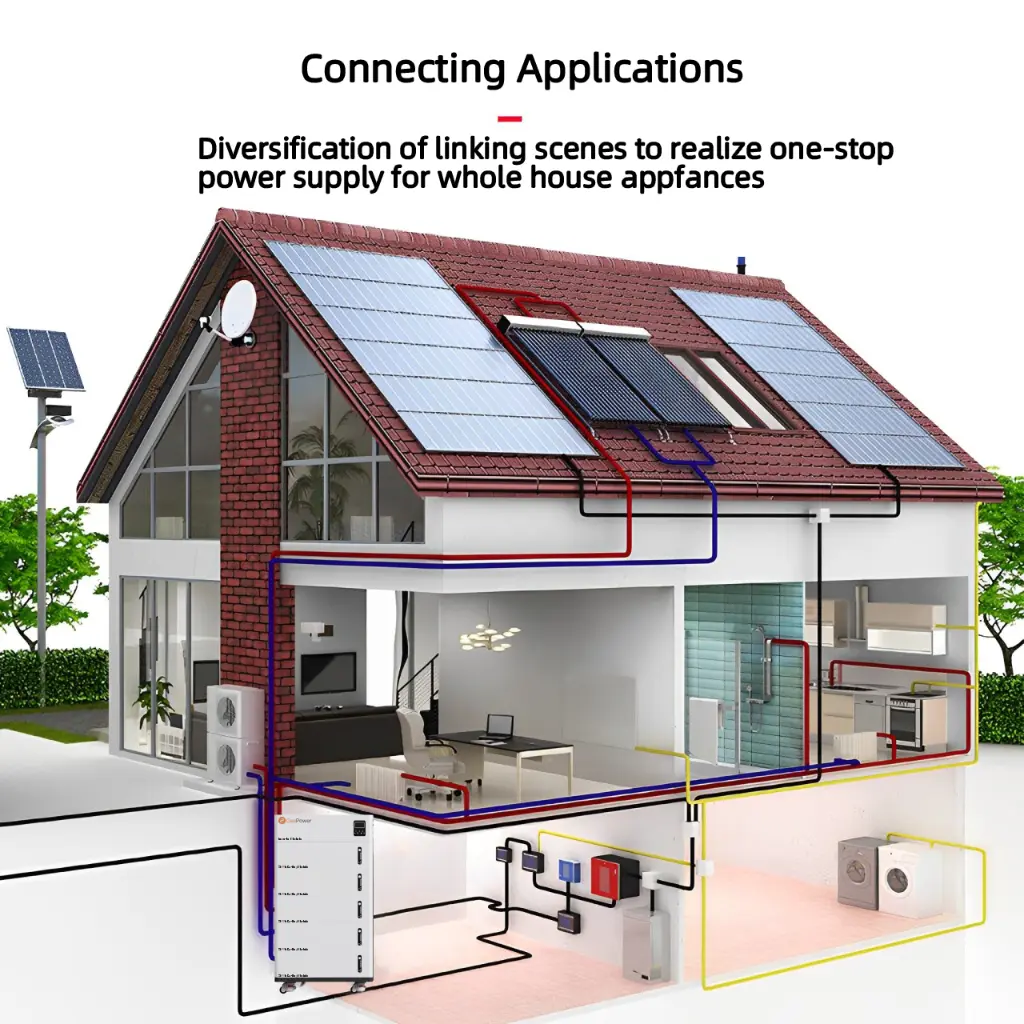
Good suppliers understand the difference between off-peak charging, solar self-consumption, and backup power. They can walk through scenarios without making promises they can't back up.
Check for:
- Clear explanation of off-peak charging and peak-hour discharge
- Honest discussion of solar integration requirements
- Defined backup behaviour during outages
- Stated environmental installation limits (temperature, IP rating, location)
TERRA A supports scheduled charge/discharge, solar storage, and backup power. These are real functional claims — not marketing language.
Distributor note: Be cautious of suppliers who lead with savings figures without discussing tariff structures, load profiles, or installation conditions. Those conversations come back to haunt you.
3. Safety and Battery Chemistry: Is This System Designed for Long-Term Residential Use?
Residential means the product lives in someone's home. That raises the stakes on safety design.
You don't need a supplier to claim their product is "the safest on the market." You need them to explain their system architecture clearly and demonstrate that protection functions are built in — not bolted on.
Check for:
- Stable battery chemistry
- Integrated BMS with defined protection functions
- Fire safety design at system level
- Remote monitoring capability
- Documented protection testing
GeePower focuses on LFP (LiFePO4) chemistry. TERRA A includes a built-in BMS, fire suppression, pure sine wave output, and remote monitoring and control. The company's quality process includes BMS functionality testing and system-level protection validation.
The right framing here is safety-focused system design — not guarantees. No responsible supplier offers the latter.
4. Certification Readiness: Are Documents Available for Your Market and Configuration?
This is where a lot of distributor relationships quietly fall apart.
A supplier might have CE on one model, UKCA on another, and nothing confirmed for the configuration you actually want to sell. Asking "do you have certifications?" is not enough. You need specifics.
Check for:
- Certificates tied to exact product models and capacity configurations
- Market-specific documentation (CE for EU, UKCA and G99 for UK, RoHS, UN38.3, IEC 62619 where required)
- Availability of documents before you start customer conversations
- Clear communication when documentation varies by model or market
GeePower's current compliance signals include CE, UKCA, G99, RoHS, UN38.3, IEC 62619, and cybersecurity certification. Documentation should still be verified by specific configuration and target market before project discussions begin.
Distributor checklist: Always ask for certificates by model, capacity, inverter configuration, and target country. Don't assume one certificate covers everything.
5. Manufacturing Reliability: Can the Supplier Support Repeat Orders — Not Just Samples?
Samples are designed to impress. Batch orders are where reliability is actually tested.
The real question is not "how good is the product?" but "how consistent is the product at volume, over time?"
Check for:
- Visible manufacturing scale (facility size, annual capacity)
- In-house assembly and integration (versus outsourced)
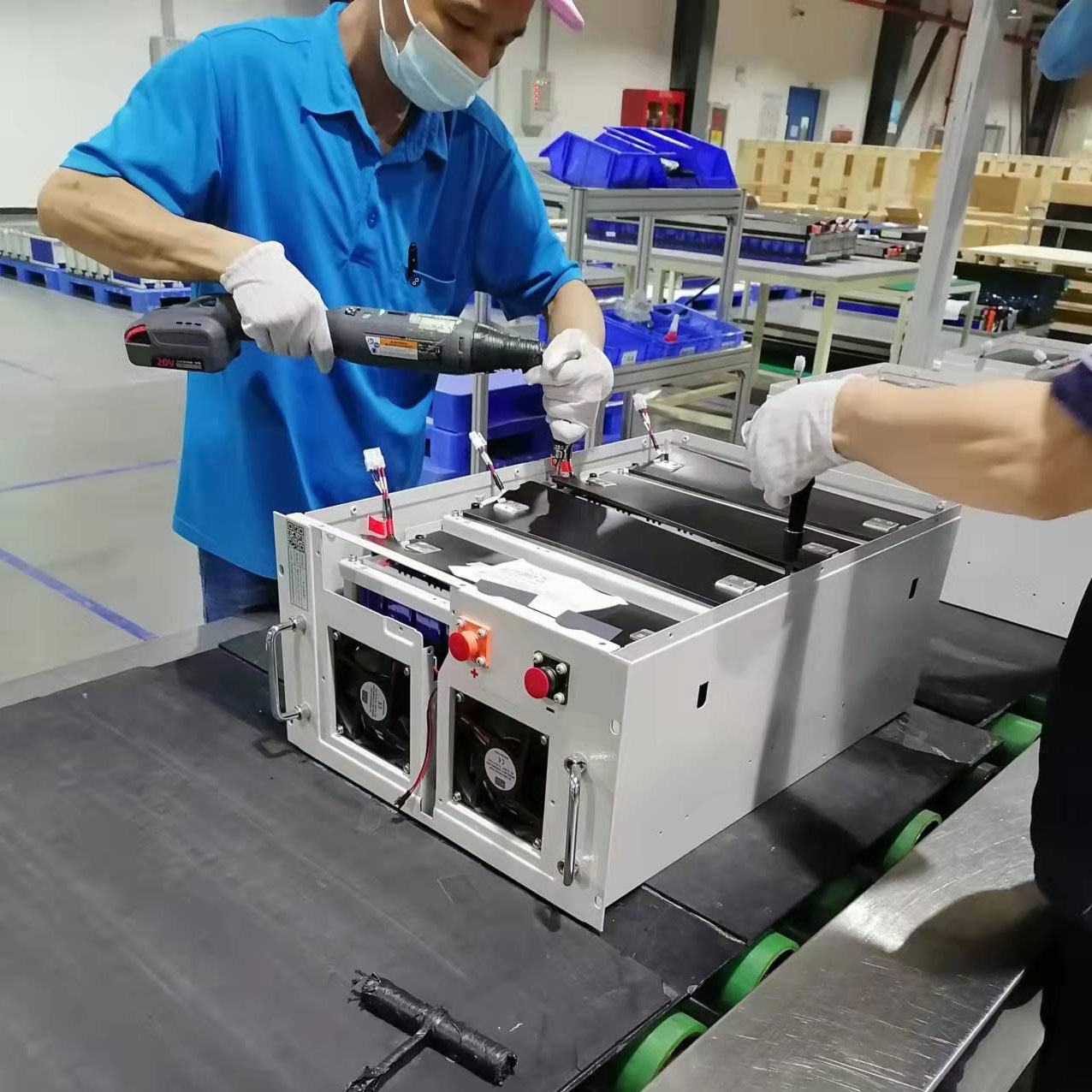
- Defined production processes, not ad hoc workflows
- Track record across international markets
GeePower operates a 20,000㎡ manufacturing facility with 2 GWh annual production capacity and automated assembly lines. The company has R&D and operations in Hunan and manufacturing in Jiangxi. It exports to 80+ countries and works with 500+ global customers.
These figures don't guarantee your experience. But they indicate a supplier built for ongoing cooperation — not opportunistic one-time shipments.
6. Quality Control: What Happens Before the Product Leaves the Factory?
Quality control is the section most suppliers gloss over. Push past the marketing language and ask for the actual process.
For distributors, this matters because every quality failure at the product level becomes an after-sales problem at your level.
Check for:
- Incoming material inspection
- Cell grading and matching
- Module and PACK assembly verification
- BMS functionality testing
- Aging and performance testing
- Charge/discharge cycle verification
- Communication and control system checks
- Final inspection before shipment
GeePower's documented process covers all of the above. This is worth replicating as your own supplier audit checklist — regardless of who you're evaluating.
A supplier who can walk you through these steps without hesitation is worth paying attention to. One who deflects to marketing claims is a signal.
7. Engineering and Partner Support: Can They Help You Sell and Support the Product?
These two points are worth combining: technical depth and commercial support often come from the same people at a supplier.
On the engineering side, residential ESS involves battery chemistry, BMS behaviour, inverter interaction, solar input, grid connection, and load management. Your installers will have questions. Your supplier should be able to answer them.
On the partner support side, you need more than a price list. You need product documentation, configuration guidance, certification files, and someone responsive enough to help when a project-specific question comes up.
Check for:
- Ability to discuss system architecture and BMS configuration
- Understanding of PV + grid + load interaction
- Availability of product catalogues and technical documentation
- Support for project-level discussions
- Reasonable response times
GeePower's engineering capabilities are described around system architecture design, BMS configuration, and communication setup, and production facilities open to partner visits — including testing workshops and showrooms. Technical support and project discussion are part of GeePower's stated cooperation approach.
A Practical Supplier Evaluation Checklist
Before you finalise a supplier relationship, run through these eight questions:
Area | What to confirm |
Product line | Is the residential range structured and easy to explain? |
Application fit | Can the supplier describe real household scenarios honestly? |
Safety | Does the system use stable chemistry and integrated protection design? |
Certification | Are documents available for your specific market and configuration? |
Manufacturing | Can the supplier handle repeat orders with consistency? |
Quality control | Are pre-shipment testing steps clearly defined and auditable? |
Engineering support | Can they answer system-level questions — not just battery specs? |
Partner support | Can they provide documentation, configuration guidance, and responsive communication? |
This list won't make the decision for you. But it will surface the gaps that matter before you're too far into the relationship to back out easily.
Why This Matters Before You Compare Price
Price is always part of the conversation. It should be.
But low unit cost doesn't offset a confused product line, missing certificates, unreliable batch consistency, or an after-sales process that dumps problems back on your team.
The distributors who make residential ESS work long-term tend to choose suppliers based on risk reduction — not margin optimisation at the sample stage.
GeePower may be worth evaluating if your team is looking for a residential ESS supplier with a clear product structure, LFP technology, documented manufacturing capability, defined quality processes, available certification documentation, and experience across international markets.
That's not a promise. It's a starting point for your own due diligence.
Next Step
If you are evaluating residential ESS products for the European market, GeePower can provide product information, configuration discussion, and documentation support for distributors, installers, and project partners.
[Download Supplier Checklist ]👇: