All-in-One Cabinet BESS, Configured for C&I Projects
Integrated battery, PCS, EMS, cooling and fire protection—factory-configured around your power, capacity, operating mode and grid connection requirements.
20–100kW / 51.2–215kWh standard platforms
All-in-one AC or battery-only configurations
Start from one cabinet and scale as the project grows
CE/ UKCA /UN38.3 /MSDS /G99 documentation available
Grid-connection compliance support available
Discuss Your Project Why GeePower
Since 2009 · 20,000㎡ Manufacturing · 80+ Export Countries
Subject to model and system configuration.
20kW / 51.2kWh Compact Cabinet BESS
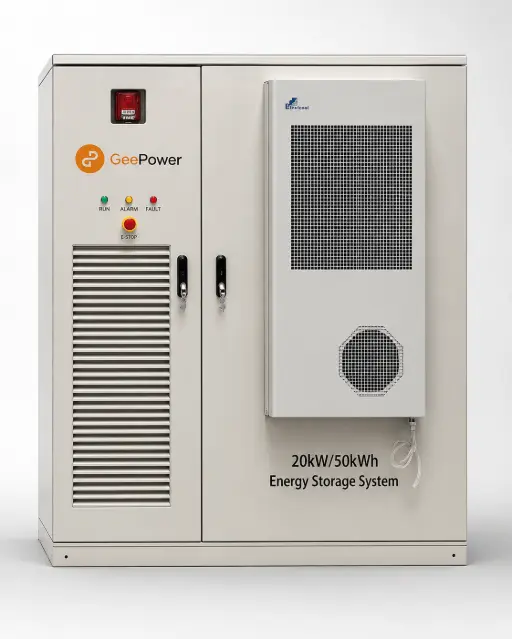
Technical Specification
Parameter | Specification |
Model | GP50-256V200Ah |
| Type | 20kW/51.2kWh |
| Cell | LFP 3.2V/200Ah |
| Rated Energy | 51.2kWh |
| Voltage Range | 212V–288V |
Max. Charge / Discharge Power | 22kW |
| PV Input Voltage Rang | 600-900Vdc |
| Rated Power | 20kW |
| Operating Mode | On-grid / Off-grid |
| Ingress Protection | IP54 |
Operating Temperature Range | -20℃~+50℃ |
Cooling Method | Intelligent Air Cooling |
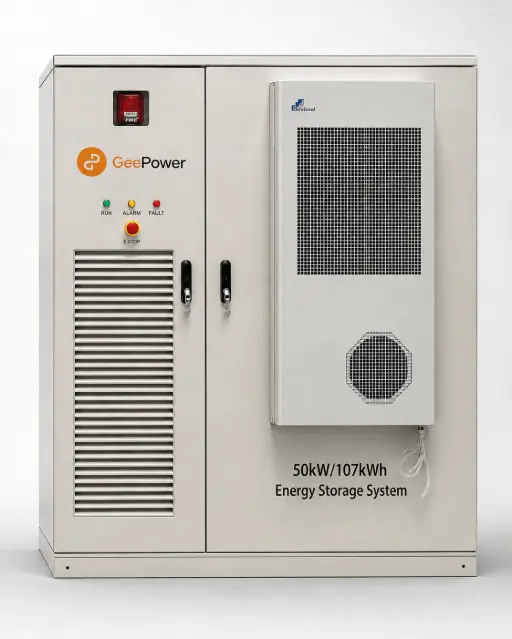
Technical Specification
Parameter | Specification |
Model | GP107-716V150Ah |
Type | 50kW/107kWh |
| Cell | LFP 3.2V/150Ah |
| Rated Energy | 107.4kWh |
Voltage Range | 582V–806V |
Max.charge/Discharge Power | 55kW |
PV Input Voltage Range | 600-900Vdc |
| Rated Power | 50kW |
| Operating Mode | On-grid / Off-grid |
| Ingress Protection | IP54 |
Operating Temperature Range | -20℃~+50℃ |
Cooling Method | Intelligent Air Cooling |
100kW / 215kWh High-Capacity Cabinet BESS
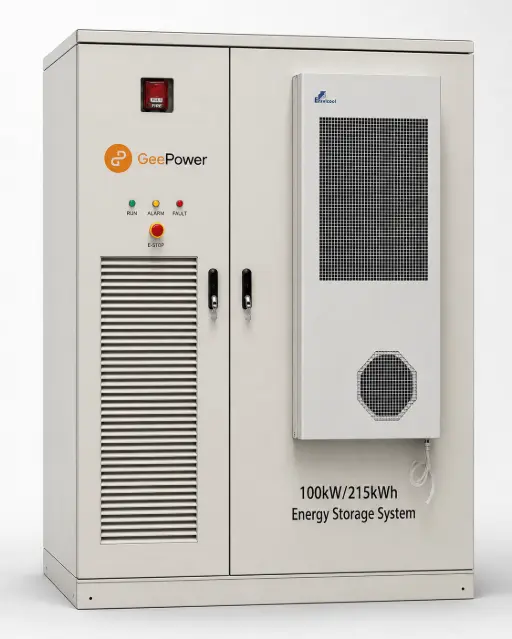
Technical Specification
Parameter | Specification |
Model | GP215-768V280Ah |
| Type | 100kW/215kWh |
| Cell | LFP 3.2V/280Ah |
Rated Energy | 215.04kWh |
| Voltage Range | 672V-846V |
| Maximum DC Power | 110kW |
PV Input Voltage Range | 600-900Vdc |
| Rated Power | 100kW |
| Operating Mode | On-grid / Off-grid |
| Ingress Protection | IP54 |
Operating Temperature Range | -20℃~+50℃ |
Cooling Method | Intelligent Air Cooling |
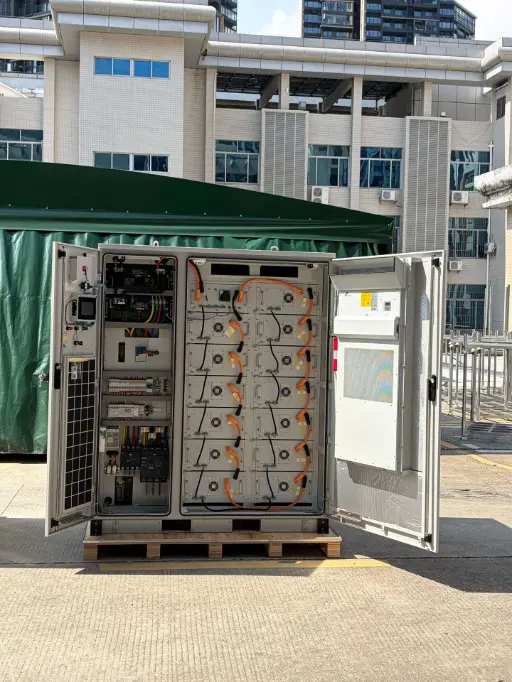
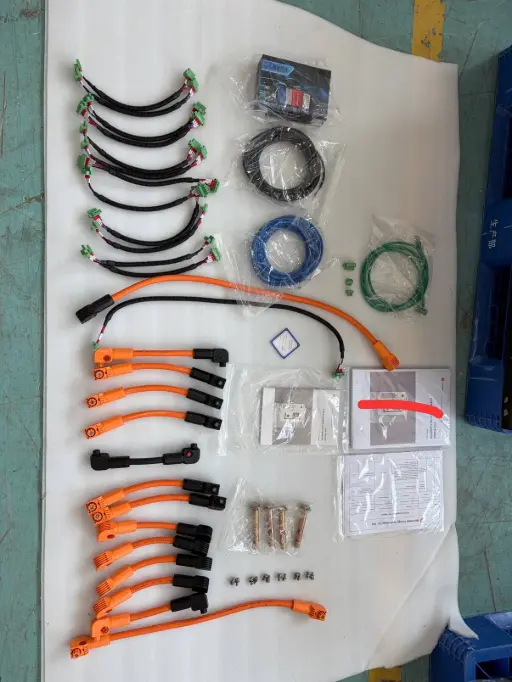
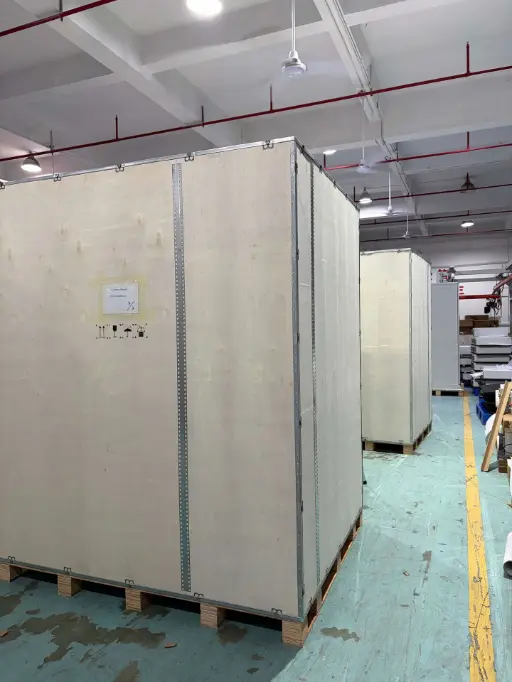
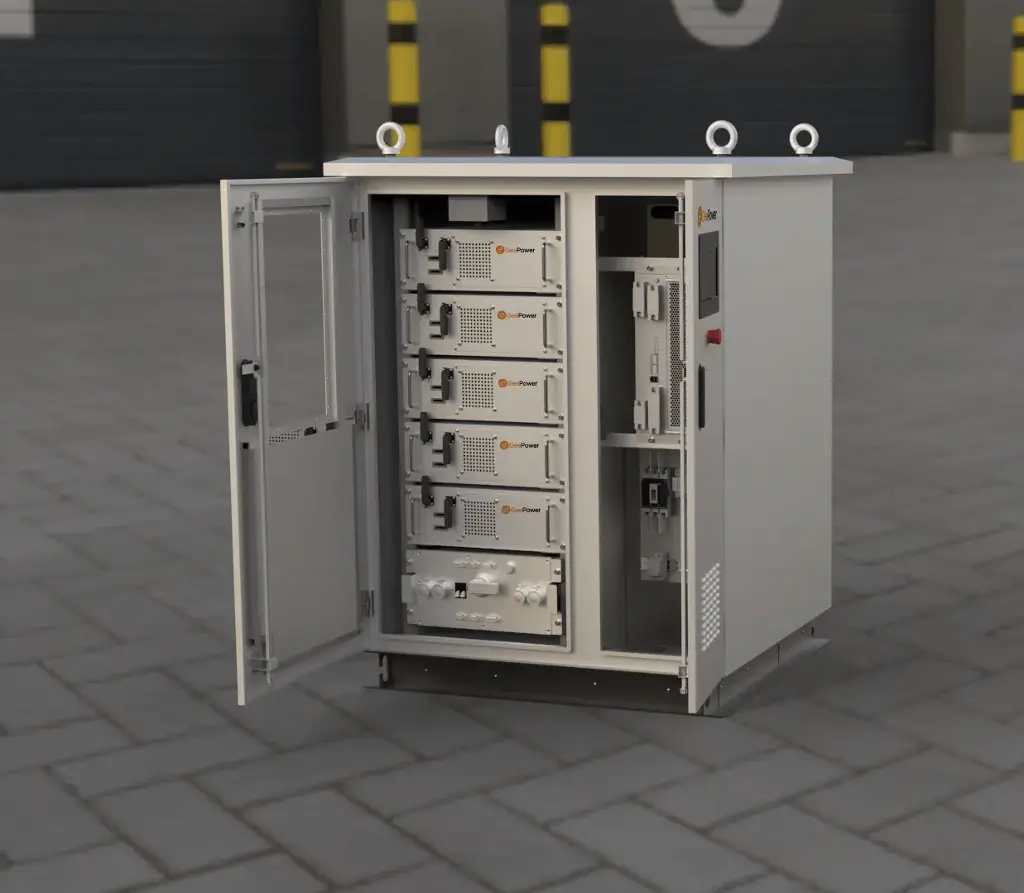
Inside the Cabinet, Delivery & Accessories
See real product photos to better evaluate internal layout, workmanship, packing quality and delivery readiness.
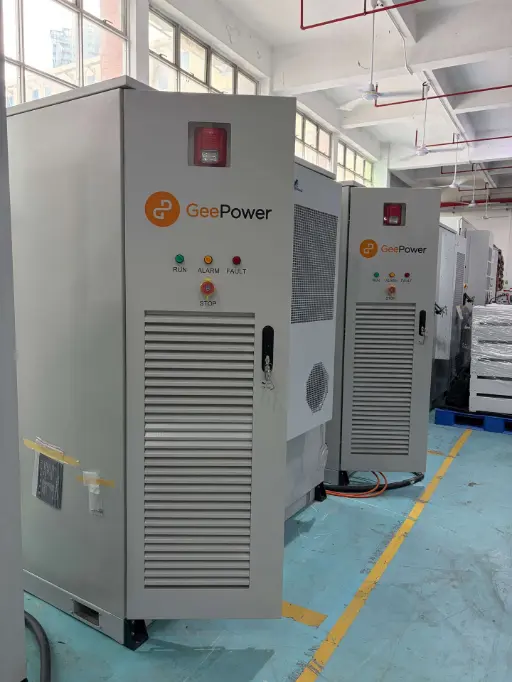
Proven Platforms, Configured for Your Project
Choose from 20kW/51.2kWh, 50kW/107.4kWh or 100kW/215kWh platforms. Each system can be configured as an all-in-one AC cabinet or a battery-only cabinet to match your project requirements.
PCS, EMS, communications and grid-connection requirements can be configured around your project design and local compliance needs.
Tell us your target market and project requirements—we’ll assess the suitable system configuration and compliance requirements.
KEY ADVANTAGES
Why Choose a Cabinet BESS?
Designed for compact C&I energy storage, the cabinet architecture combines essential system components in a coordinated and expandable platform.
Factory-Configured Integration
Battery, BMS, PCS, EMS, cooling, fire protection and power distribution are coordinated and tested as one system before delivery.
Flexible Project Configuration
Choose an all-in-one AC cabinet or battery-only configuration, with suitable PCS, EMS, communications and operating modes.
Phased Expansion
Start with one cabinet and add further units as power, capacity or site demand grows.
Reduced On-Site Integration
The integrated architecture helps reduce on-site assembly, cabling and commissioning work. Site conditions and any required derating are reviewed during configuration.
BEST FIT AND APPLICATIONS
Where Does a Cabinet BESS Fit Best ?
Cabinet BESS is a strong choice when a project needs compact energy storage, flexible site placement and the ability to expand capacity in phases.

Commercial & Public Buildings

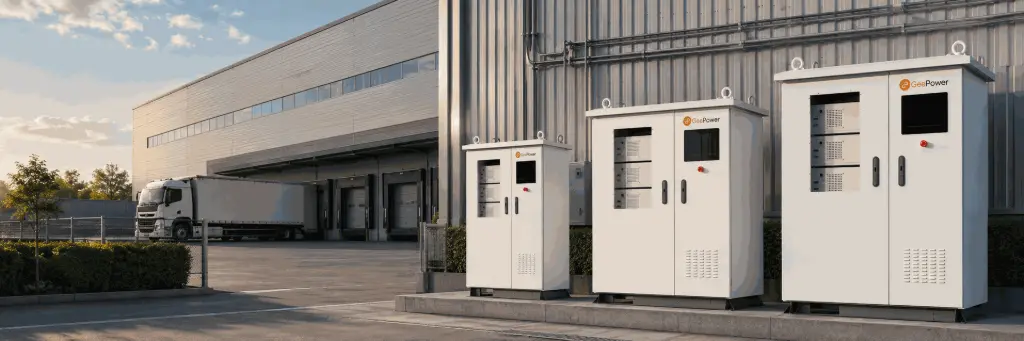
Warehouses & Logistics Centers
Factory & Workshop
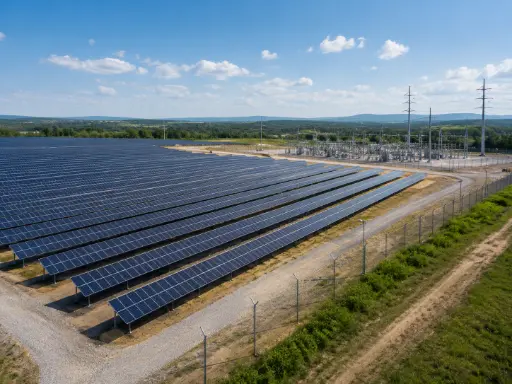
Solar PV + Storage Projects
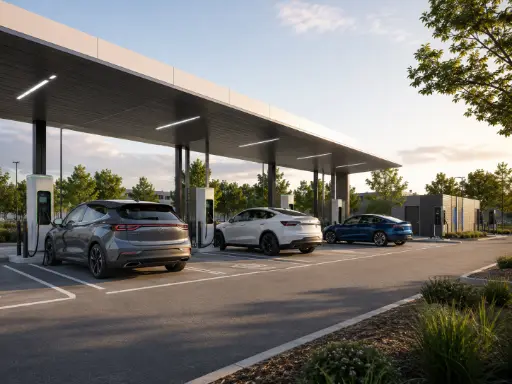
EV Charging Stations
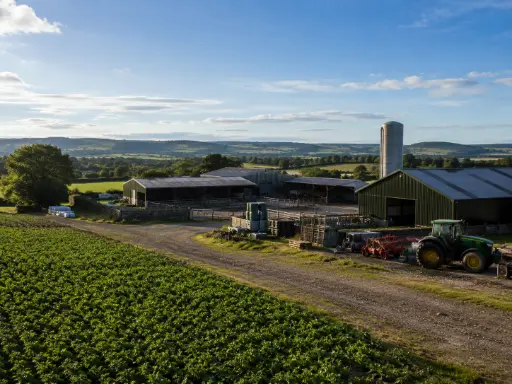
Microgrids & Remote Sites
Best-fit Note
Cabinet BESS is commonly considered for projects from approximately 50kWh to a few hundred kWh, limited-access sites and phased deployment.
Multi-cabinet systems can also reach higher capacities. For larger centralized projects, cabinet and container solutions should be compared by total installed cost, footprint, cabling, transport, maintenance access and future expansion requirements.
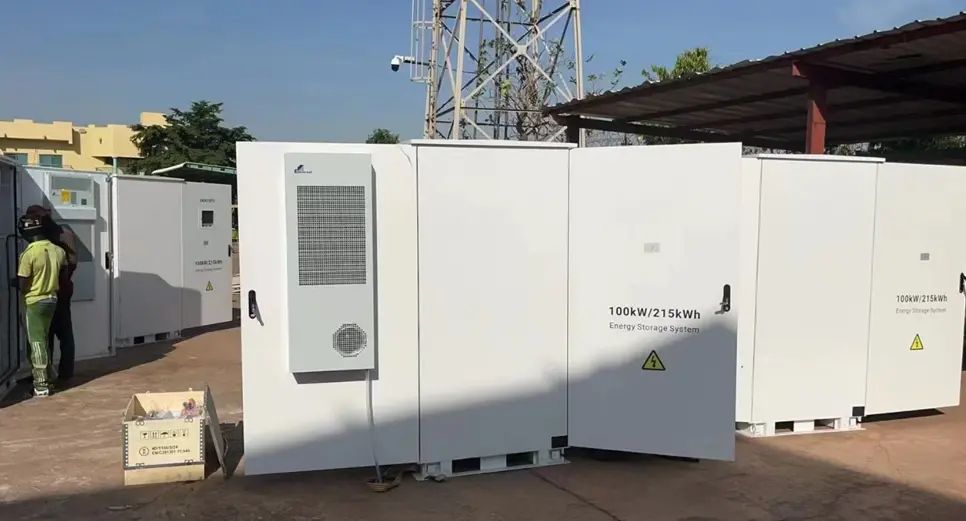
Off-grid Solar Storage for a Factory
• System:Cabinet ESS
• Capacity:5 × 215kWh
• Application:Factory
Cabinet BESS in Real Projects
Explore how Cabinet BESS solutions are configured for commercial loads, solar integration, EV charging support and distributed energy storage.
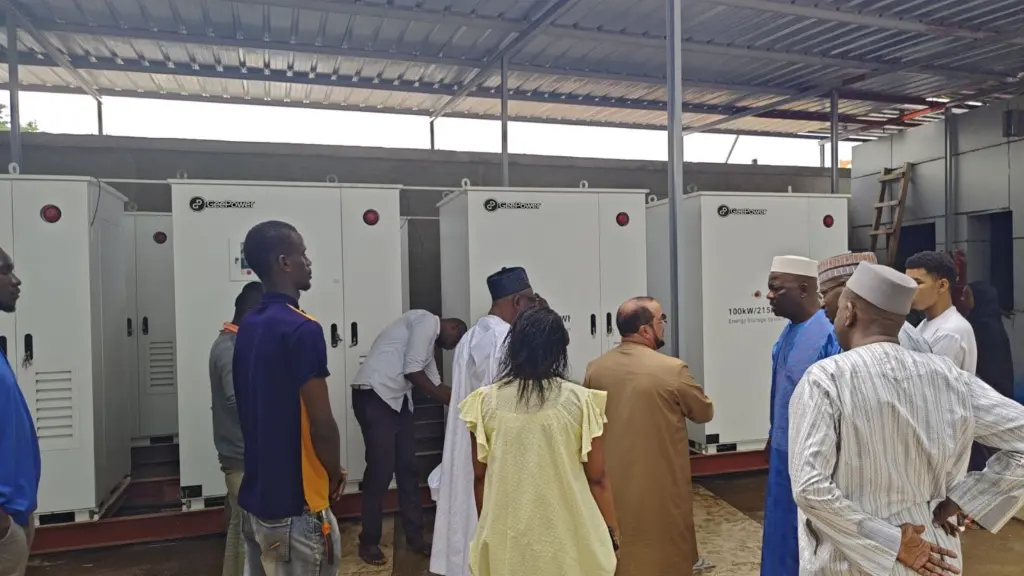
Solar Storage and EV Charging
• System:Cabinet ESS
• Capacity: 8 × 100kW / 215kWh
• Application: EV charging
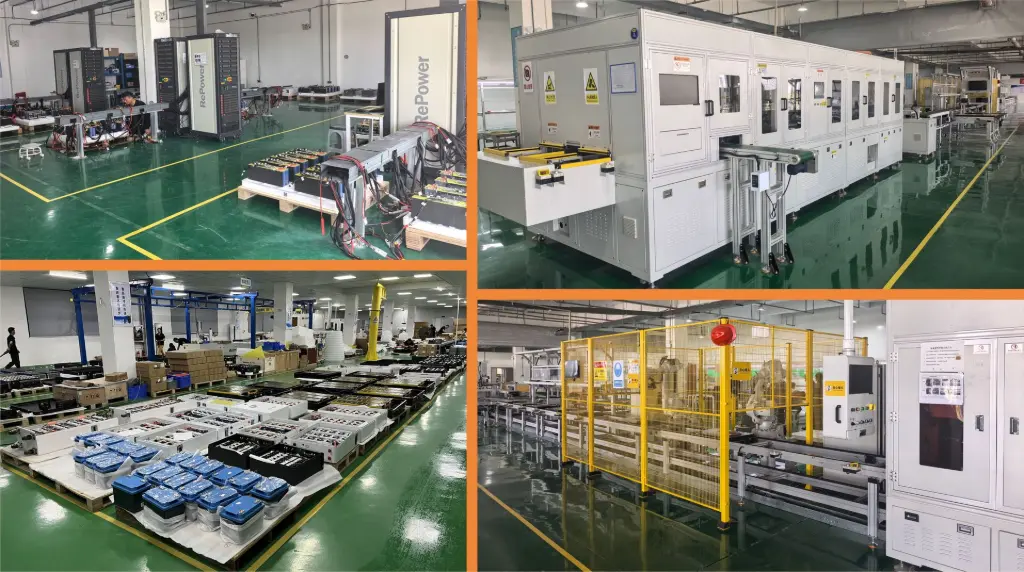
Engineering & Manufacturing Behind Your BESS
Since 2009
Energy storage manufacturing & engineering
20,000㎡
Manufacturing facility
2GWh
Annual production capacity
80+ Countries
Global project and partner experience
Battery integration, PCS/EMS configuration, testing and project engineering are coordinated before delivery.
Read The Definitive Guide:
Cabinet BESS vs. Container BESS:How to Choose
This guide compares cabinet and container BESS in capacity,space,construction and application scenarios, helping you select storage for C&I project.
FAQs
Cabinet BESS Frequently Asked Questions
A Cabinet BESS is a battery energy storage system installed inside a compact electrical cabinet. It can integrate battery modules, BMS, PCS, EMS, power distribution, thermal management and fire protection into one coordinated outdoor system.
GeePower standard Cabinet BESS configurations include:
- 20kW / 51.2kWh
- 50kW / 107.4kWh
- 100kW / 215.04kWh
The appropriate model depends on the load profile, required storage duration, grid connection, solar capacity and project operating strategy.
Yes. Multiple cabinets can be configured as a larger distributed energy storage system.
The recommended number of cabinets depends on total power, energy capacity, site layout, cable routing, communications, protection design and the customer’s expansion plan.
Yes. A Cabinet BESS can be configured to store energy from solar PV or the utility grid and discharge it according to the selected operating strategy.
Common modes include solar self-consumption, peak shaving, load shifting, scheduled charging and backup for selected loads. The available modes depend on the PCS, EMS and overall electrical design.
It can provide backup power when the system is designed with the required switching, PCS capability and critical-load connection.
Backup duration depends on available battery capacity, load demand and the required depth of discharge. These requirements should be confirmed during project design.
Cabinet BESS is often suitable for projects below 300kWh, sites with limited access and customers planning phased expansion.
Containerized BESS is generally more suitable for MWh-scale centralized projects. Projects between 500kWh and 1MWh should be evaluated individually rather than selected by capacity alone.
Yes, subject to the selected PCS, site design and local DNO requirements. For grid-parallel projects in Great Britain, we review the applicable G99 connection route, protection requirements and available technical documentation before confirming the configuration.
G100 requirements can also be considered where export limitation is required. Final connection approval remains specific to the installation and local DNO.
Yes. For grid-parallel projects, the selected PCS and protection design are reviewed against applicable NRS 097-2-1 and Eskom or municipal requirements. Available inverter type-test documentation is confirmed before the final configuration is agreed.
Off-grid, backup and zero-export systems are evaluated separately according to the project location and operating requirements.
Our production lead time is approximately 30 to 40 days after order confirmation. We offer expedited production planning for urgent projects, subject to current capacity.
We will deliver a tailored configuration proposal and formal quotation within 3 business days after we receive your complete project specifications (capacity, voltage, and application scenarios)
We back our systems with solid guarantees. We provide a 5-year warranty for the battery cells (the core component) and a comprehensive 2-year warranty for the entire cabinet system.
We offer remote online guidance for system commissioning and troubleshooting. Furthermore, we can dispatch our senior engineers to your site for on-site technical support and training if your project conditions require it.
We can provide relevant CE, UKCA, UN38.3, MSDS, G99-related compliance documentation. However, not every configuration carries the same set of documents, as requirements may depend on the battery system, PCS and overall system design. Please confirm the required certifications and grid-connection requirements with our team before finalizing the configuration.
Flexible for both trials and bulk orders. We do not enforce a strict MOQ for our Cabinet BESS.
Customization is our strength. Absolutely. We provide comprehensive OEM services and support full project-specific configurations.
For more customization service details, please click OEM & ODM
We support both T/T (Telegraphic Transfer) and L/C (Letter of Credit) . For the Incoterms, we offer FOB and CIF as standard.
However, availability of these terms is not guaranteed for all customers. We will confirm the final applicable terms after reviewing the specific project circumstances.
Request a Project Configuration
Tell us about your company, project conditions and initial customization requirements.